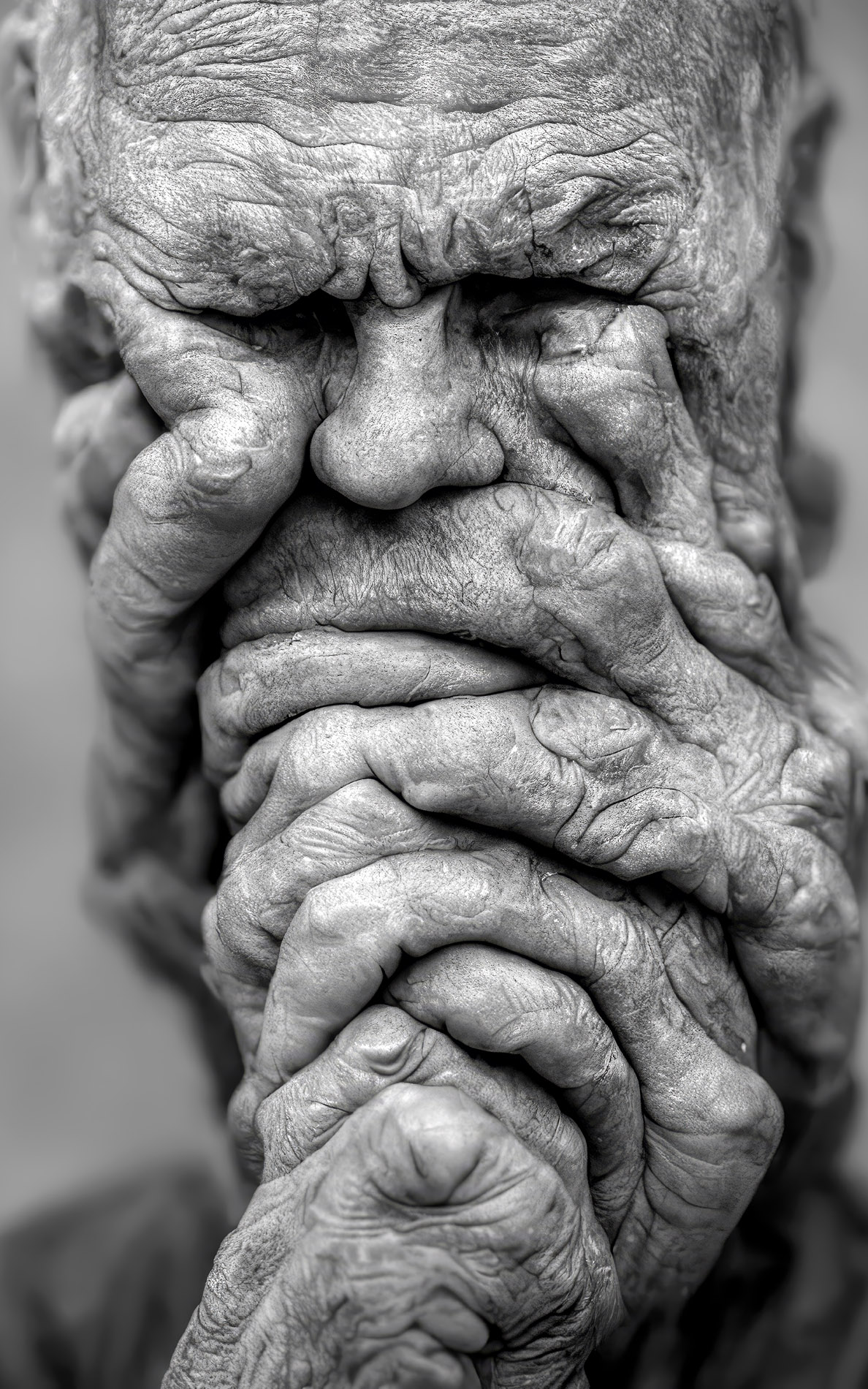
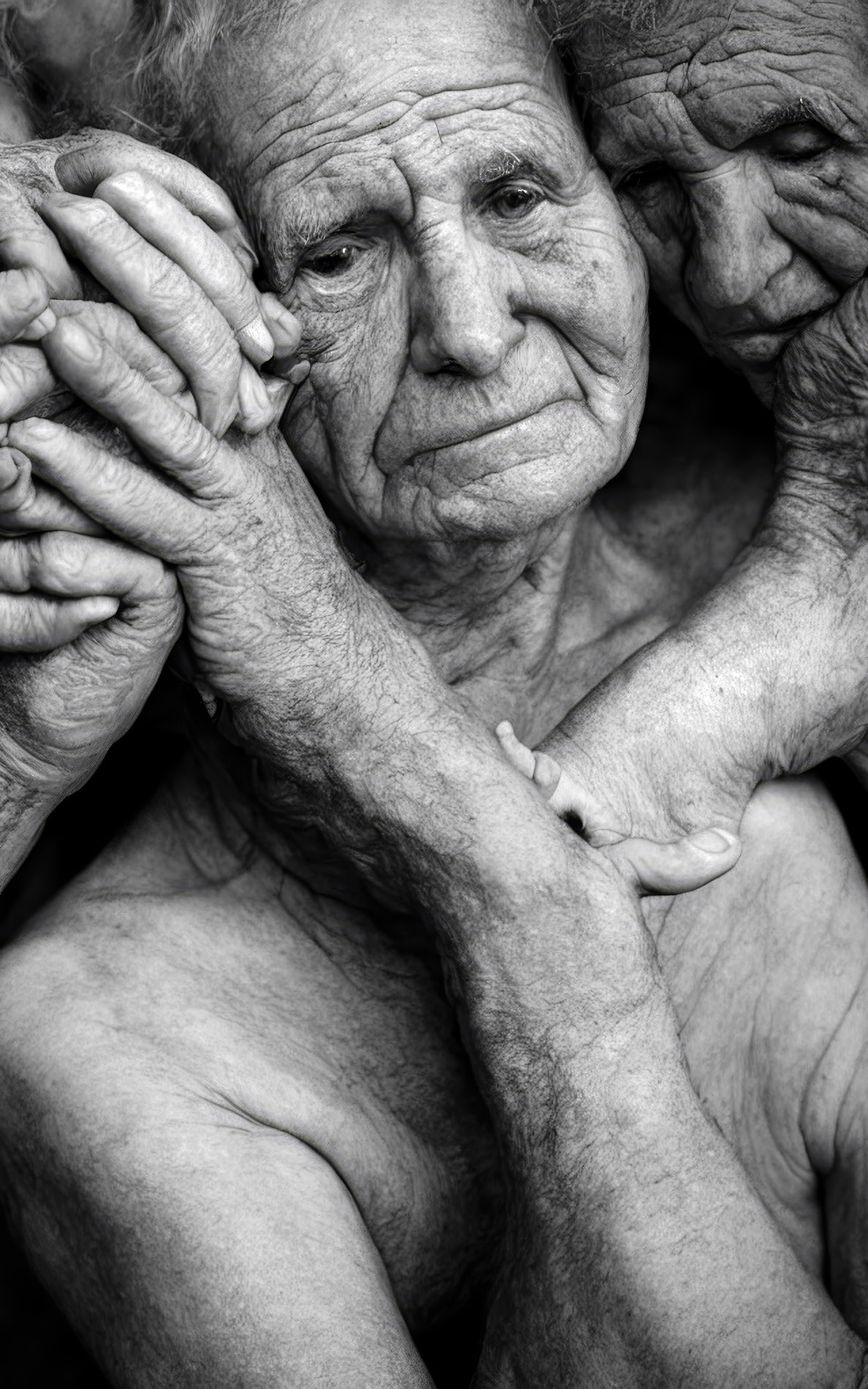
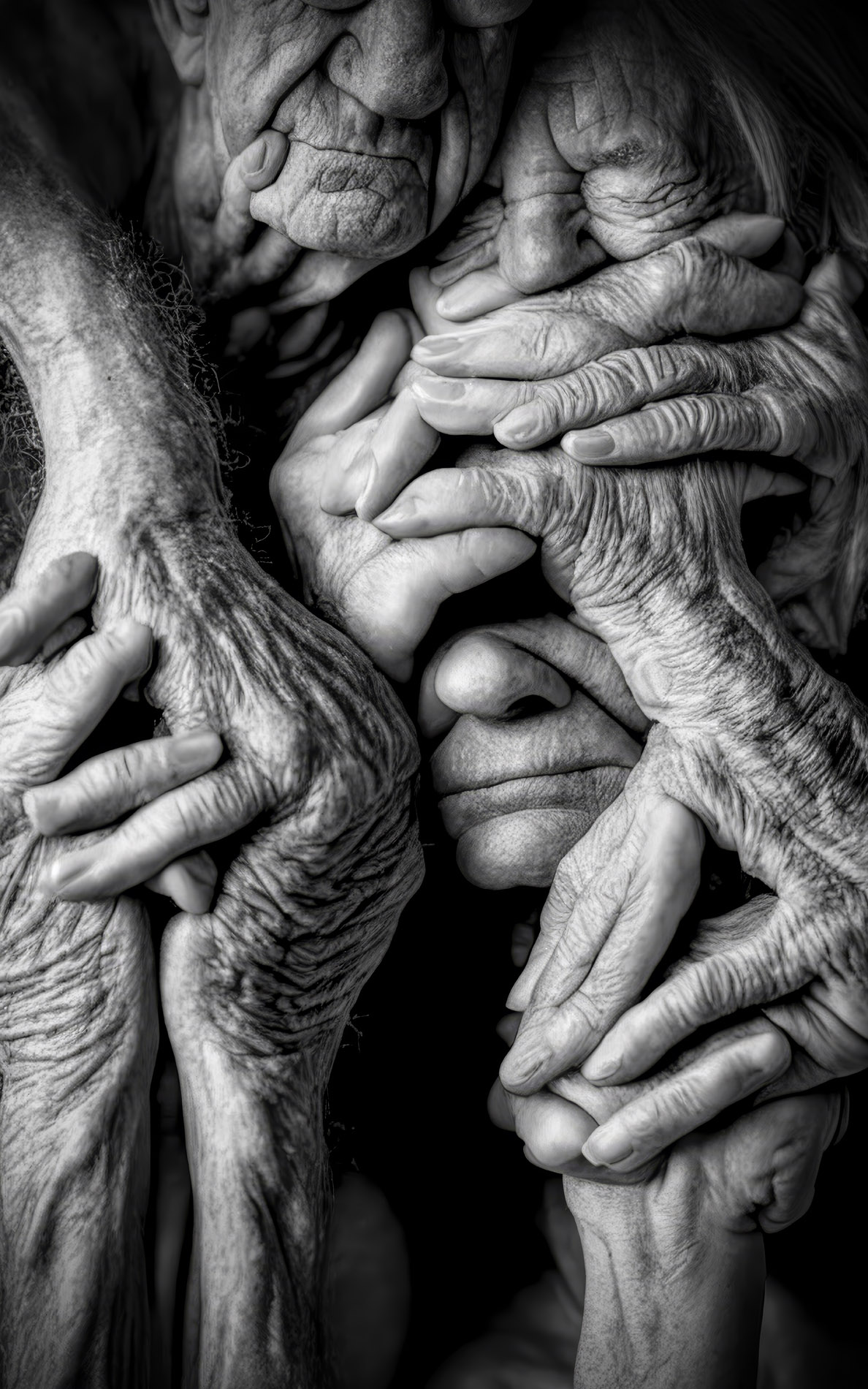
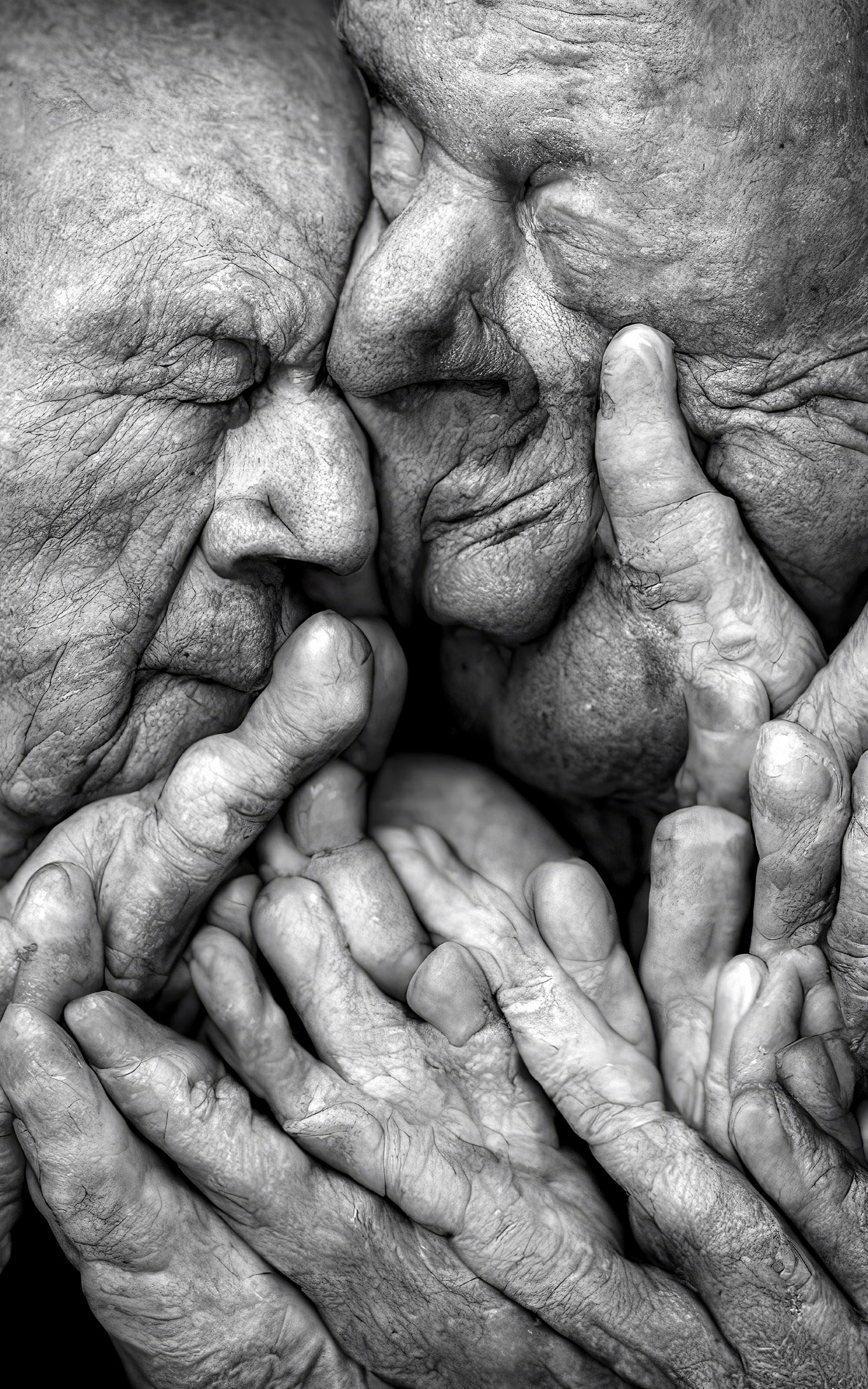
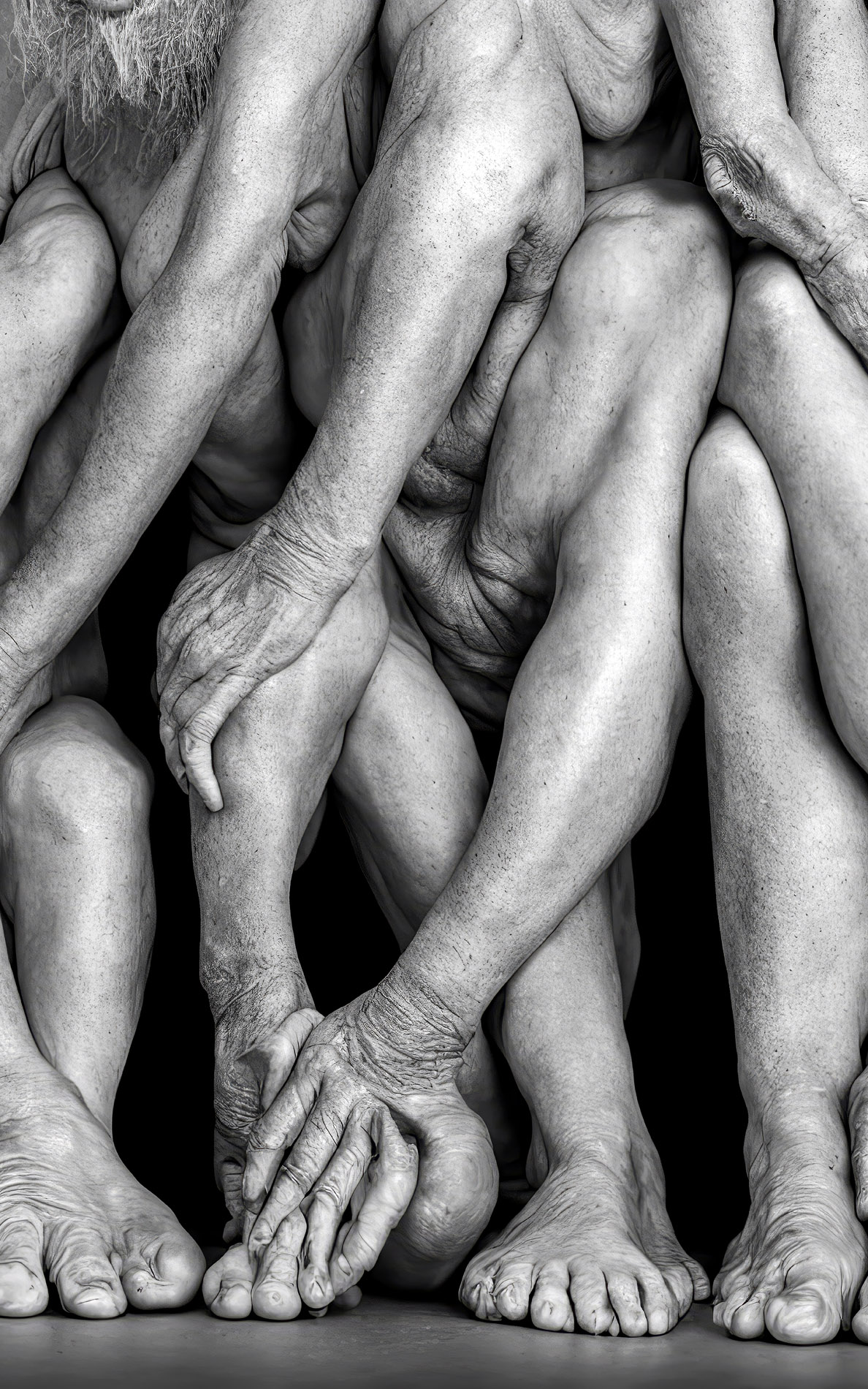
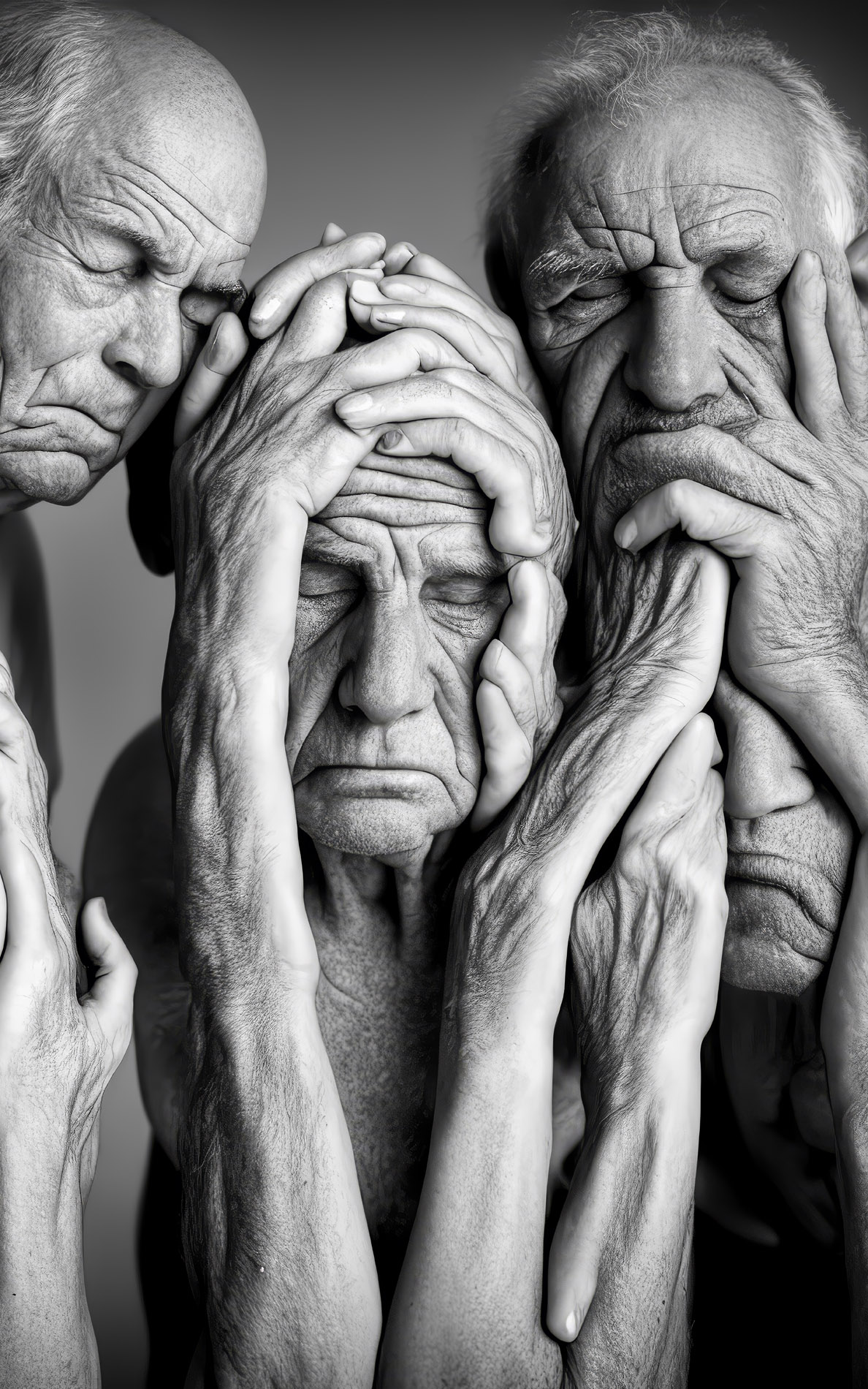
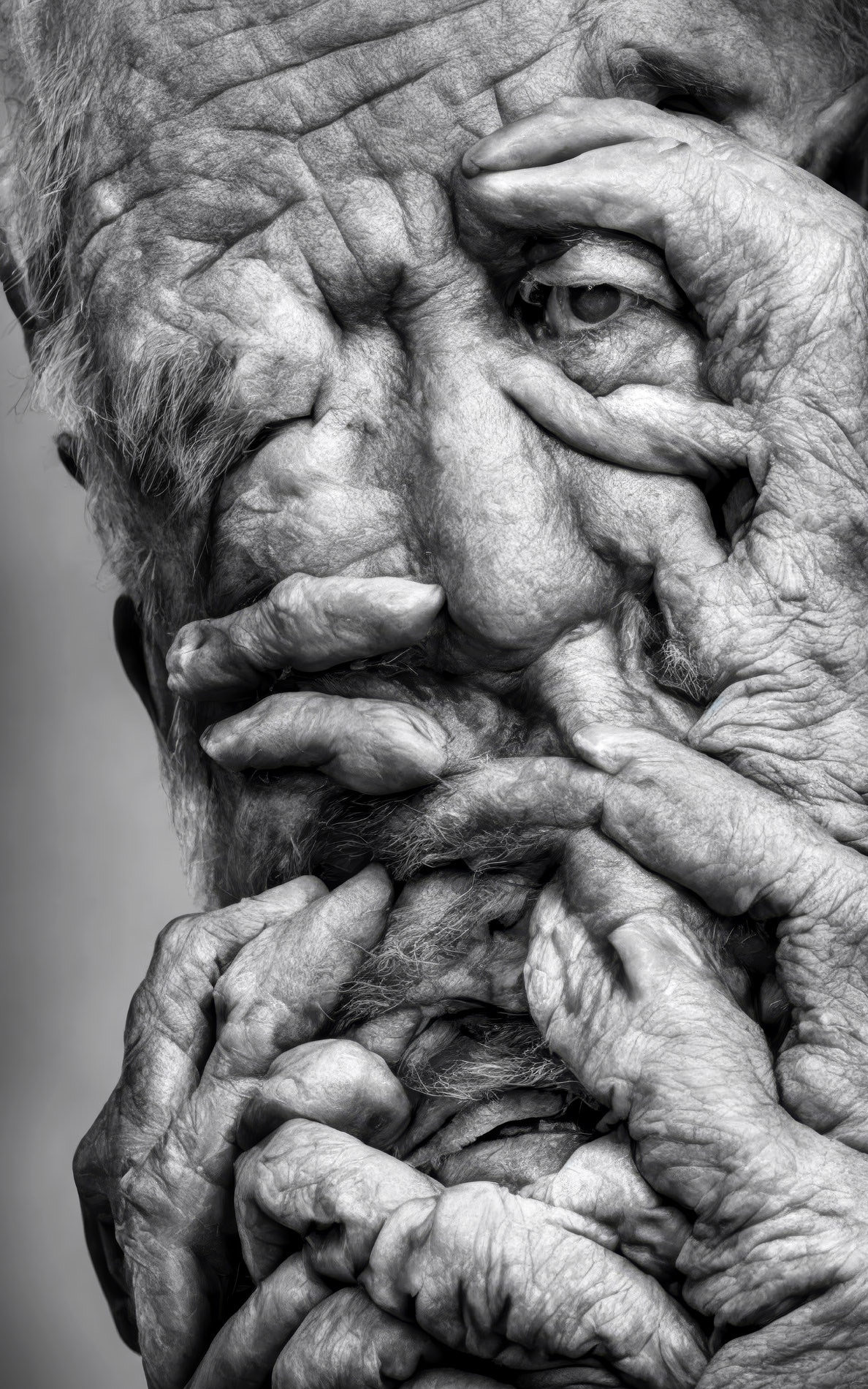
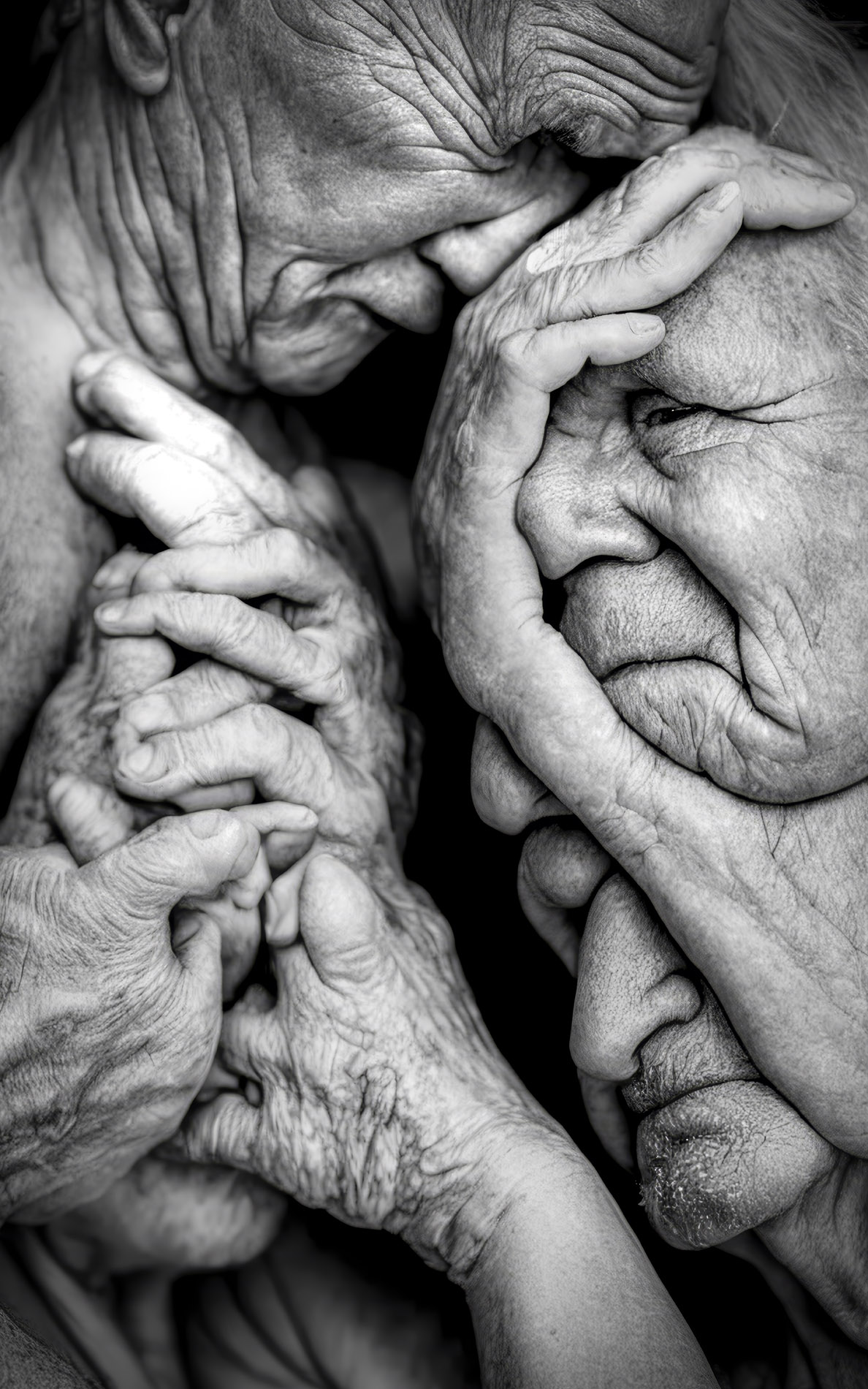
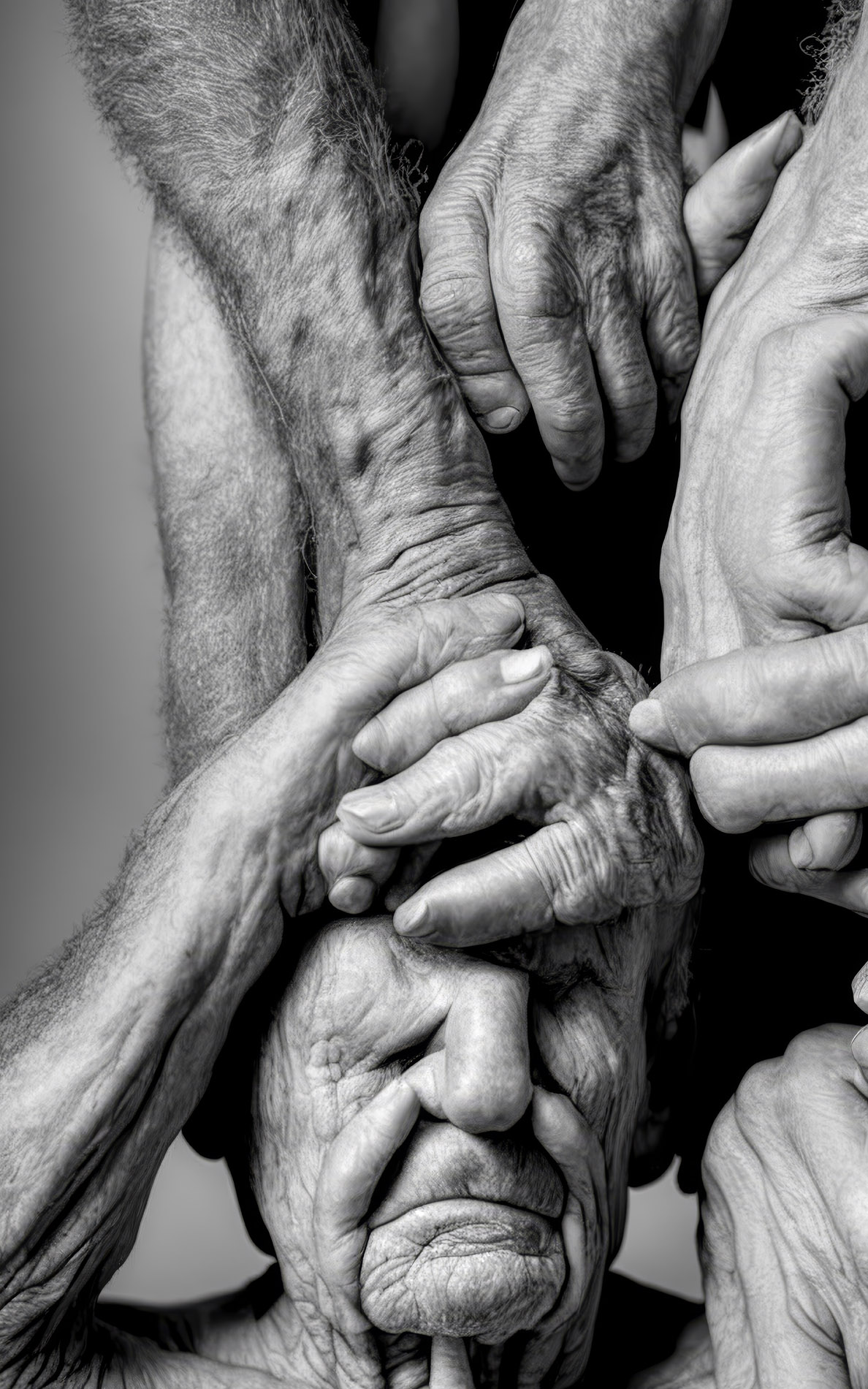
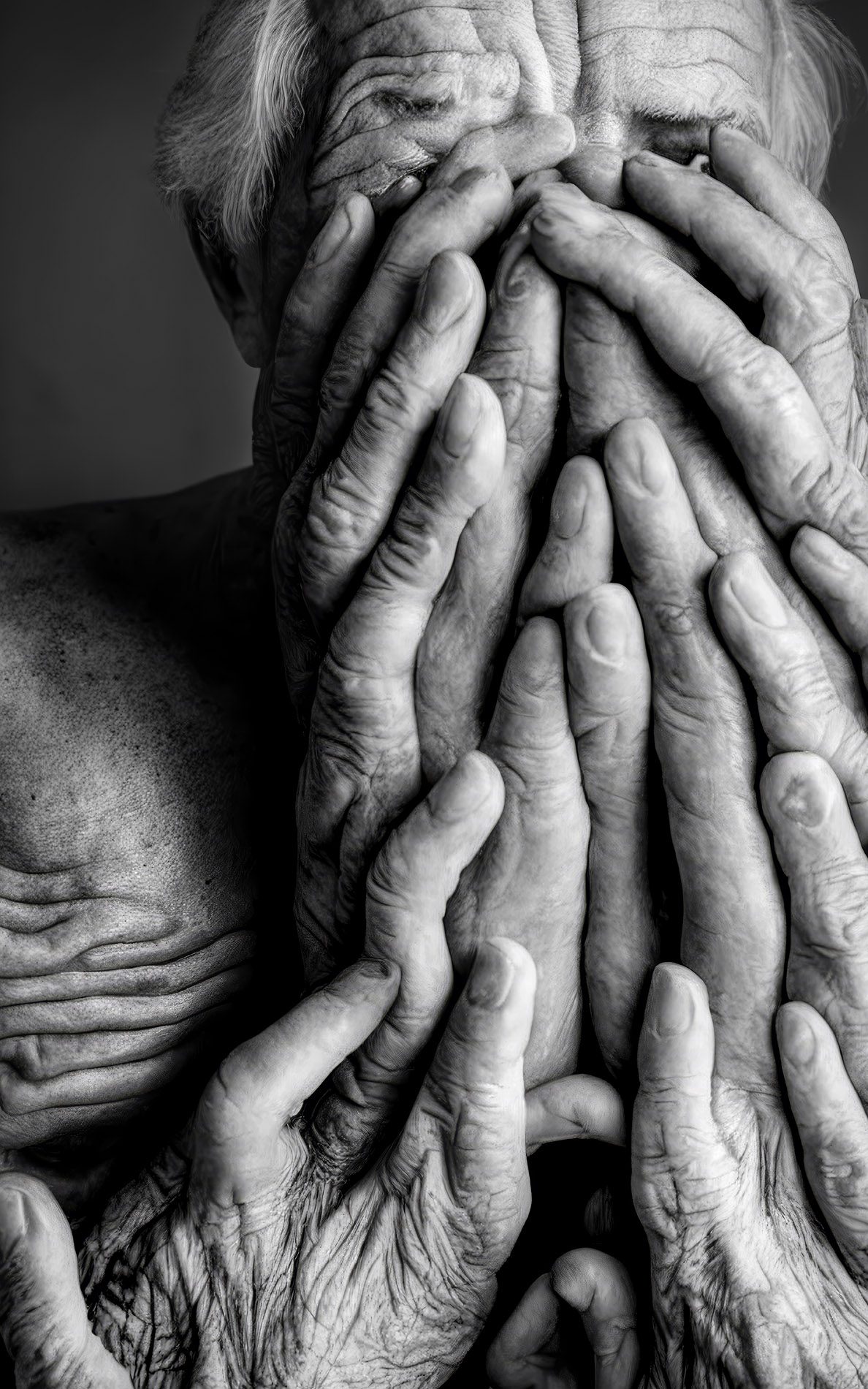
Photographs —especially portraits and family photography— work as false containers of memory. They do not hold memories by themselves; they activate them through the gaze of whoever looks at them. Each pair of eyes projects onto them an experience, a bond, a shared story.
Over time, photographs outlive us, just like those who knew us and can still recognise, within the image, something that once was. But that ability is finite. Memory does not renew itself: it thins, wears out, until it fades away. A moment comes when the images still exist but there are no longer any eyes to read them: they remain as presences without a story, orphaned of a gaze.
In «en l’oblit dels ulls» (In the Oblivion of the Eyes), Jordi V. Pou reflects on this inevitable shift: the passage from the living image to the image without memory, from recognition to absence, and on the unease that emerges when the image persists beyond memory, charged with an emotion that no longer is. A gradual process in which what we were finally ceases to be.