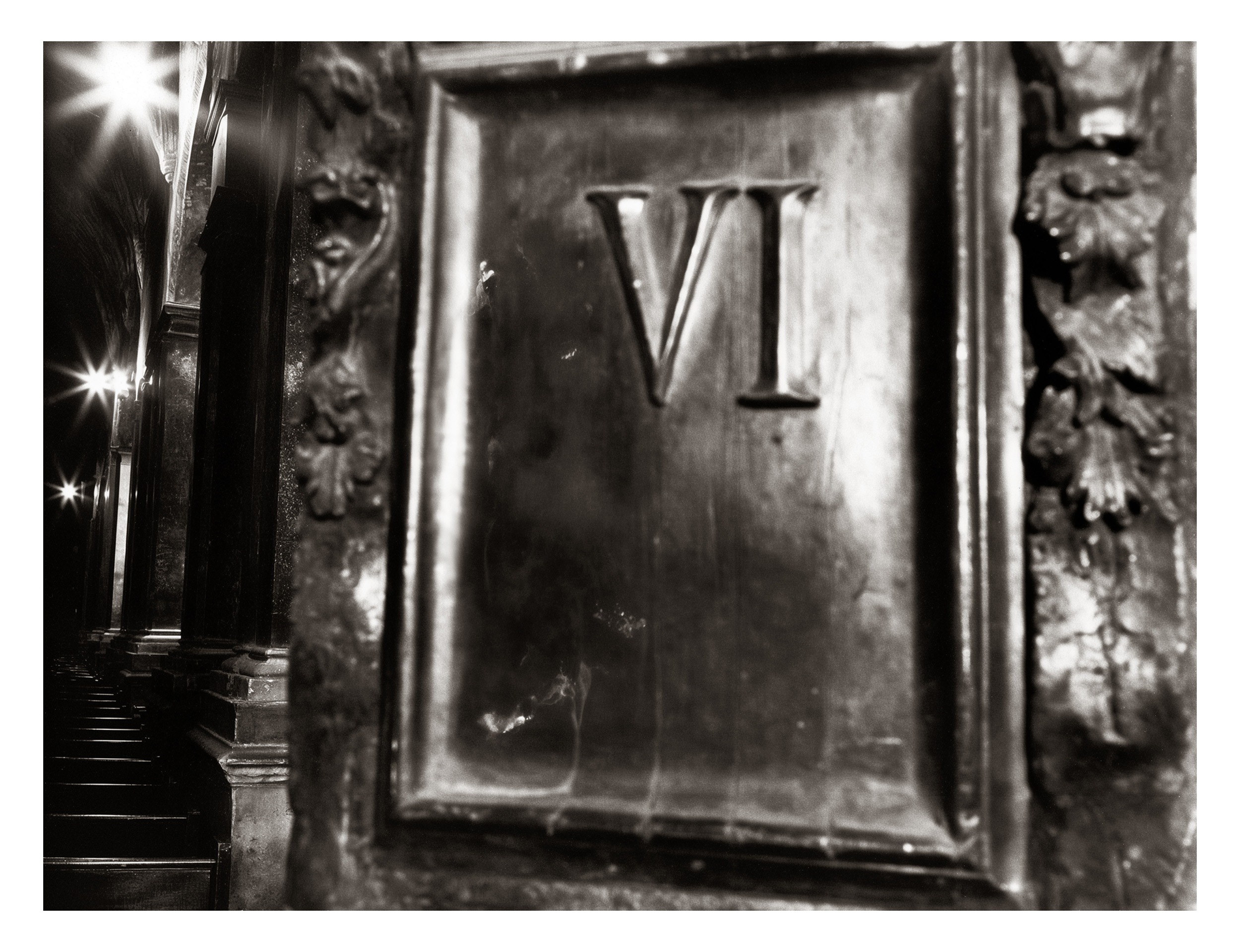
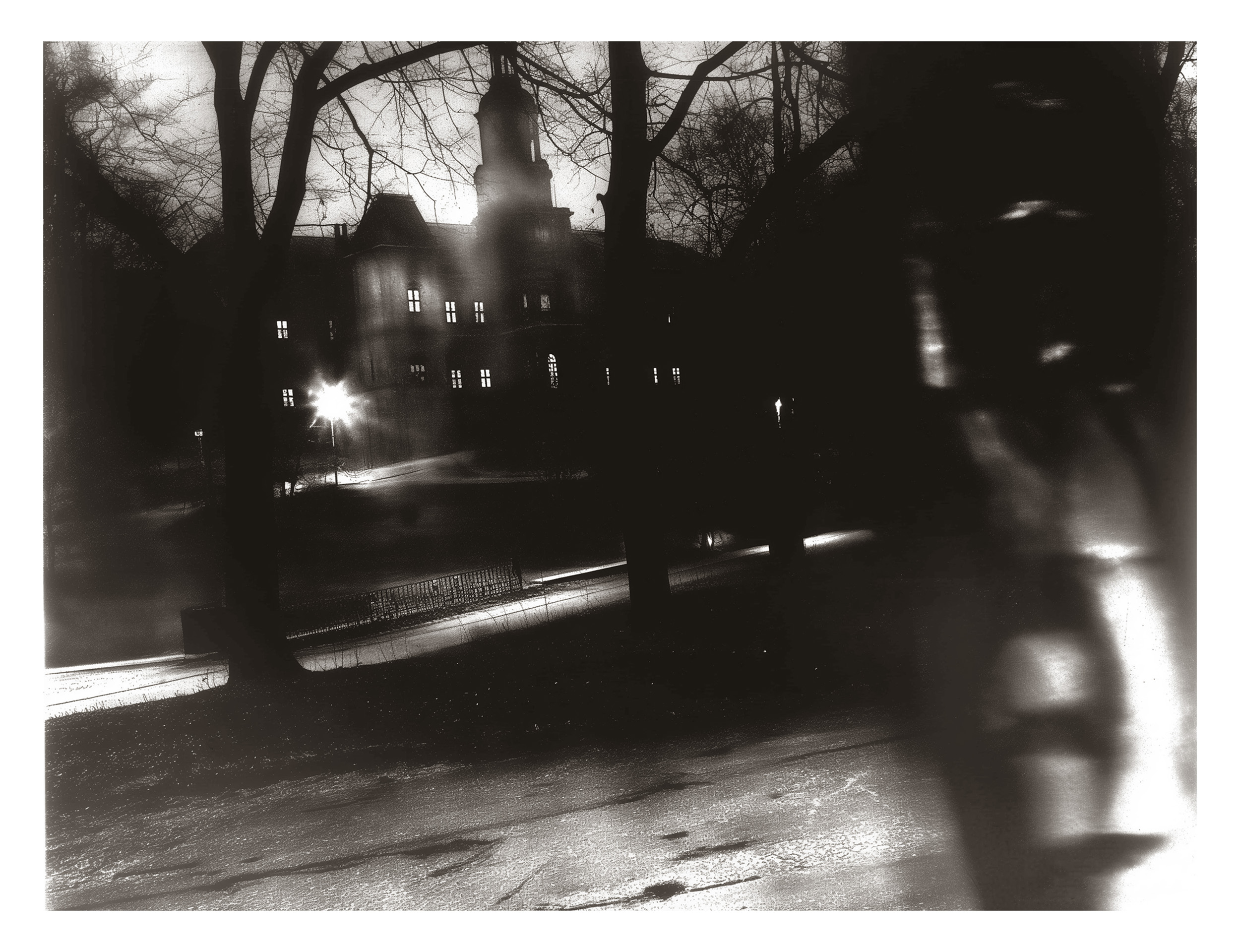
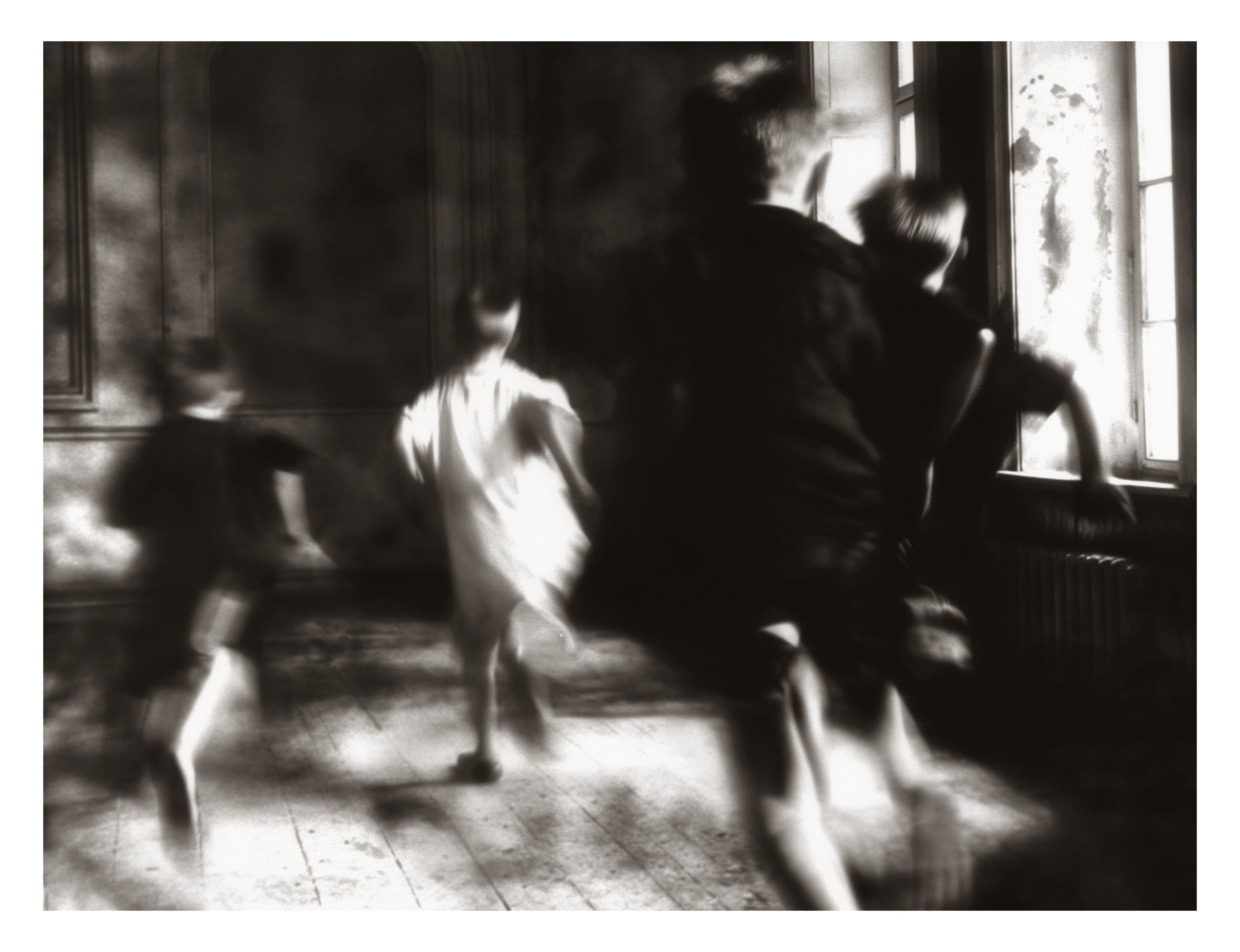
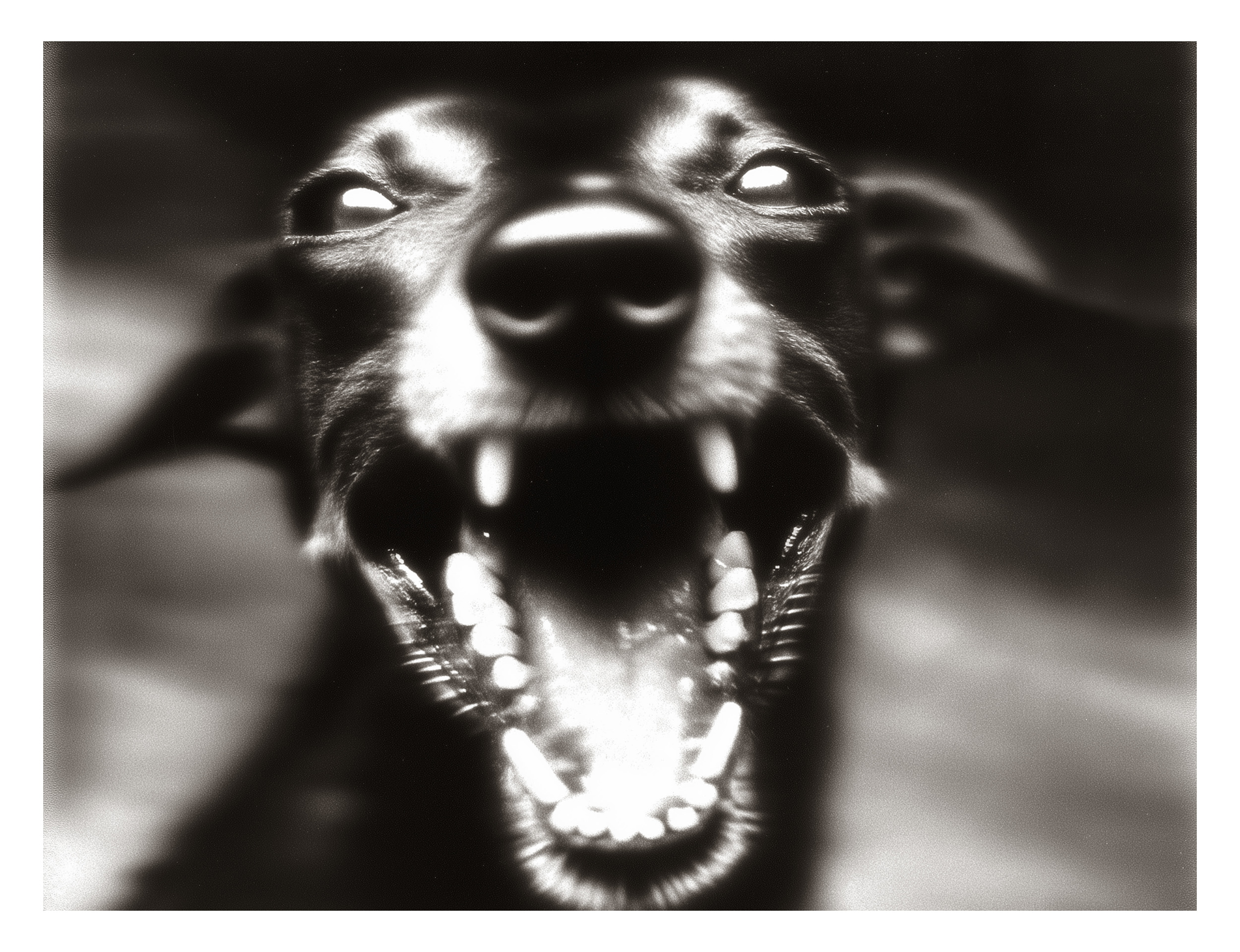
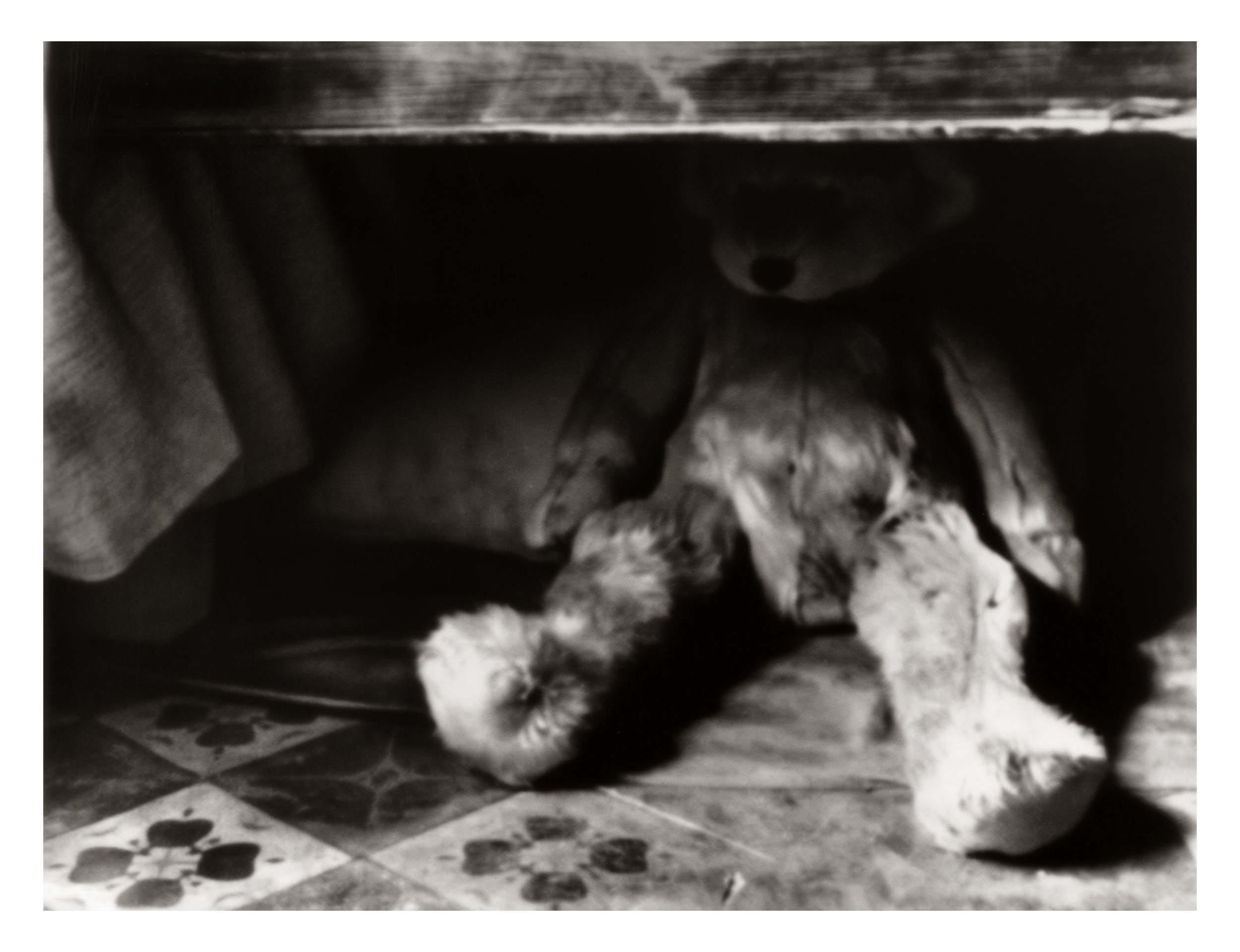
A work about what is hidden, what goes unsaid, what is left to rot in silence.
Darkness is not only the absence of light, but a space of oblivion and erased memories. These images are imagined reconstructions of truths that were left out of frame, out of focus, out of the story. A murky memory, suspended between what happened and what someone wanted to erase.
Stories that never had an image
Some stories have never been told in images. Real, painful, silenced events that were left outside the focus of history. Episodes of suffering that, although they happened, have no visual record. The victims kept quiet. Those around them kept quiet. And so did the camera.
In VI, Jordi V. Pou addresses one of these collective silences: the sexual abuse of minors within the Church. He does so through a series of black-and-white photographs, full of shadows and suggestion, which do not document specific events but evoke them with a subtle, penetrating rawness. The scenes are not portraits of a moment, but of a truth. Of many truths. Of so many stories that never had an image, yet are part of our shared memory.
What makes this project singular is its tool: generative artificial intelligence. Far from being a cold or merely aesthetic technological resource, its use here is a conceptual choice. With AI, Pou can build frames of what could never be photographed. He can make visible scenes that were never recorded but did exist — in the darkness of a sacristy, in a victim’s anguish, in the impunity of a silence.
Photography, as a language, has a unique ability to summon emotions and awaken empathy. When we see an image, our mind recognises it as reality. It is this appearance of truth that makes photography such a powerful tool for telling stories that others want forgotten. Through this language, the artist invites us to look at what we often prefer not to see.
VI does not set out to document, but to suggest. It does not recreate specific cases, but the climate, the atmosphere, the emotional and moral void surrounding the events. The images, dark and ambiguous, place us in that uncomfortable space where memory struggles against oblivion, and where art becomes a form of resistance.
This project is, then, an invitation to see. To see what was not shown. To acknowledge what happened. To put an image where there was only shadow.
The project was first shown at the FotoArtC Festival in Cabanabona in July 2025.